
A powerful mild medicine: advantages of honey in wound dressing
Advantages of honey in wound dressing have earned it the nickname the golden elixir, revered for its sweet taste. It has been gaining recognition for its remarkable healing properties, especially in wound dressing. How to use honey as a wound dressing is an aspect of its use that presents a myriad of advantages, making it an appealing option for both patients and medical providers.
From a cost perspective, honey offers a cost-effective alternative to traditional wound care products. Its affordability makes it accessible to a broader range of patients, aligning with a cost-conscious healthcare approach, especially regarding the role of honey in wound dressing in diabetic foot ulcer.
Furthermore, this natural remedy stands out for its ecological and humanitarian aspects. Unlike some synthetic wound dressings, the advantages of honey in wound dressing highlight the fact that it is a natural resource with minimal environmental impact. This aligns with the growing global emphasis on sustainable and eco-friendly medical practices. Additionally, the antimicrobial properties of the product contribute to reduced infection rates, ultimately lowering the burden on healthcare systems.
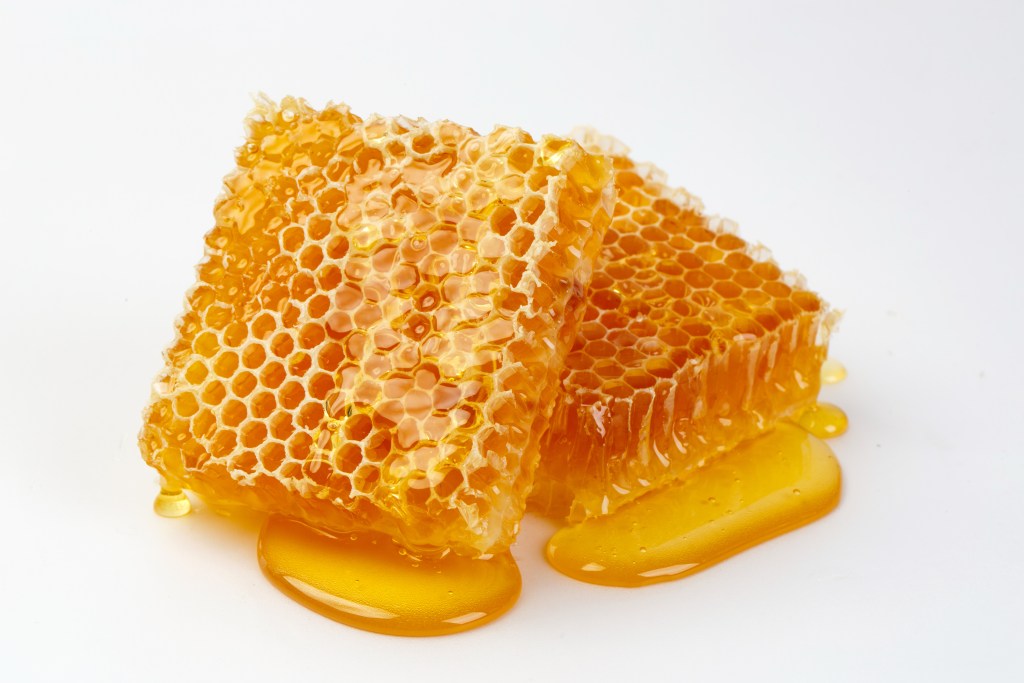
The role of honey in wound dressing in diabetic foot ulcer treatment and advantages of honey in wound dressing
The role of honey in wound dressing in diabetic foot ulcer has been gaining importance and popularity. Diabetic foot ulcers pose a significant challenge in healthcare, often requiring specialized and effective treatment. Honey emerges as a promising ally in diabetic foot ulcer management, thanks to its multifaceted healing properties. The natural antibacterial and anti-inflammatory components of this natural remedy help mitigate the risk of infection and promote a conducive environment for wound healing, thus strengthening the role of honey in wound dressing in diabetic foot ulcer.
Beyond its direct impact on wounds, honey aids in addressing the underlying issues associated with diabetic foot ulcers. It supports tissue regeneration and accelerates the overall healing process. This not only enhances patient outcomes but also reduces the economic burden on healthcare systems by minimizing the need for prolonged treatments and hospital stays. This is a wider and more general societal aspect of the role of honey in wound dressing in diabetic foot ulcer.
Considering the scarcity of certain medical resources, the widespread availability makes this natural remedy an invaluable asset. Its ubiquity ensures a reliable supply for medical purposes, especially in regions facing challenges in accessing conventional wound care products. In this way, it serves as a versatile and sustainable solution, bridging gaps in healthcare infrastructure.
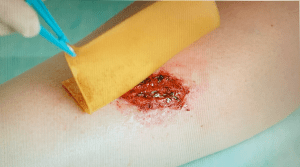
The history of honey in medicine and wound treatment
The advantages of honey in wound dressing and its therapeutic use have a rich history that dates back centuries. Ancient civilizations, including the Egyptians and Greeks, recognized its healing properties and harnessed its benefits for treating wounds and infections. Throughout the ages, this natural remedy has maintained its status as a medicinal marvel, with its antimicrobial and anti-inflammatory properties being well-documented.
In modern medicine, the resurgence of interest in how to use honey as a wound dressing stems from a combination of scientific validation and a return to natural remedies. Researchers have elucidated the biochemical mechanisms behind its efficacy, reinforcing its place in contemporary wound care protocols and the role of honey in wound dressing in diabetic foot ulcer.

A simple guide on how to use honey as a wound dressing
How to use honey as a wound dressing s a straightforward process. Begin by selecting high-quality, medical-grade honey to ensure optimal therapeutic benefits. make sure to disinfect the wound with a mild antiseptic solution. Afterwards, apply a thin layer of the remedy directly onto the affected tissue.
Make sure to protect the coated tissue with a sterile dressing to prevent contamination. It is important to regularly inspect the state of the wound and repeat the process if needed. This simple yet effective approach can be integrated into standard tissue and infection care protocols, offering a natural and affordable solution for various types of wounds.
The advantages of honey in wound dressing extend beyond mere therapeutic benefits. Its cost-effectiveness, ecological sustainability, and historical significance make it a compelling choice for both patients and medical providers. Particularly in diabetic foot ulcer treatment, honey’s role as a natural healer shines. As we navigate the complex landscape of modern medicine, the timeless appeal of honey in wound care stands as a testament to the enduring power of nature in healing.
Furthermore, the ease of how to use honey as a wound dressing, together with its versatility in medical care, align with the evolving landscape of healthcare, where a holistic and patient-centric approach is gaining prominence.
It not only addresses the immediate therapeutic needs of patients but also resonates with a broader shift toward sustainable and patient-friendly healthcare practices. Its natural composition and long-standing use in various cultures underscore its reliability, instilling confidence in both medical professionals and individuals seeking effective, minimally invasive solutions.
In essence, the enduring appeal and advantages of honey in wound dressing transcend the boundaries of time, proving that nature’s remedies continue to hold a vital place in the ever-advancing field of medicine.