

Honey: A Remedy for Wounds That Haven’t Healed for Years
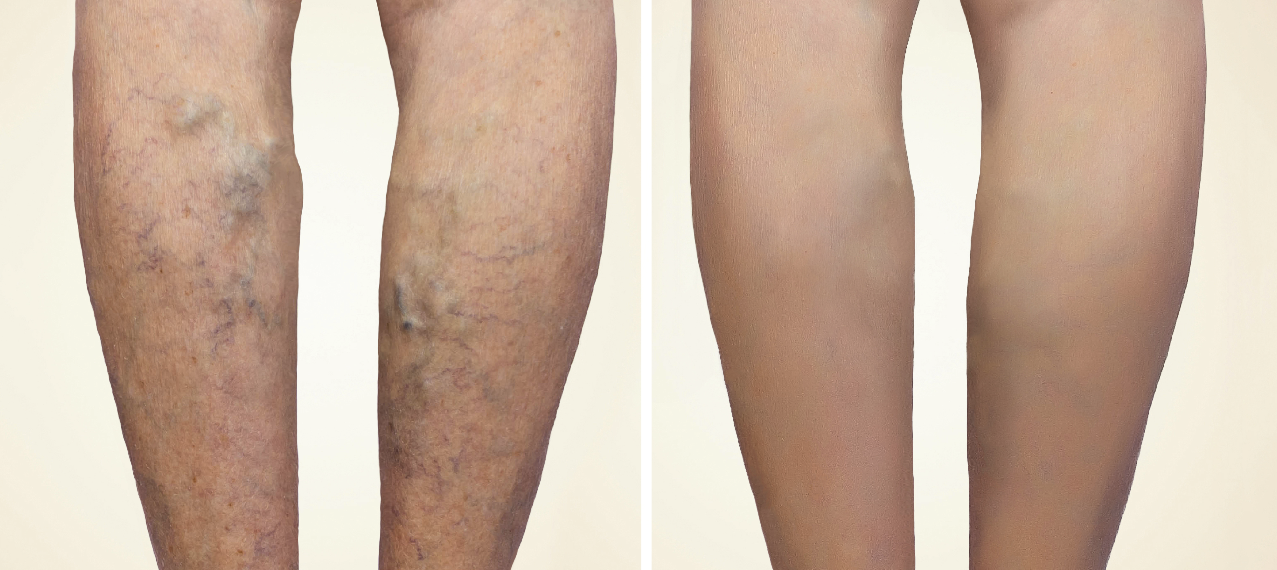
One of the severe complications associated with vascular issues is venous leg ulcers, a prevalent type of chronic wound. The primary cause often stems from chronic venous insufficiency, a condition commonly linked to an unhealthy lifestyle. In the condition colloquially referred to as varicose veins, blood begins to accumulate in the veins, leading to damage to venous valves and a deterioration of the overall situation.
A wound, i.e., venous leg ulcer, typically develops on the lower leg or foot following a minor injury, localized skin infection, or a tear in small blood vessels. The development of a venous leg ulcer is attributed to persistently elevated venous pressure and poor blood circulation in the soft tissues, significantly impeding the supply of nutrients and oxygen to the skin. This condition is referred to as chronic venous insufficiency.
How does an ulcer develop?
Chronic venous insufficiency can be caused by factors such as deep vein thrombosis, varicose veins, immobility, obesity, injury, and a family history of the condition. Initial signs on the lower leg include red-brown patches, hardened skin, and often, swelling. With severe swelling, the leg may turn red, and fluid might seep through the skin. Due to insufficient oxygen and nutrients, the skin quickly forms an ulcer. Venous ulcers, though shallow, can cover a substantial area.
The elderly at risk
Ulcers fall into the category of chronic wounds, defined as those not healing within six weeks. The elderly are more vulnerable, with statistics indicating that one percent of the adult population suffers from venous leg ulcers. In Slovenia, there are around 7,000 patients. The number increases with age, with 4–5 percent of individuals over 80 years old battling ulcers. The lower third of the leg is predominantly affected. These ulcers vary in size but are typically shallow with serrated edges, abundant secretion, sometimes covered with necrosis or inflammatory granulations, often causing pain. The skin around the ulcer changes colour, becomes warmer, and is frequently swollen.
A comprehensive approach to treatment
Addressing venous leg ulcers demands a thorough and prolonged strategy, often spanning a year or more, with a significant risk of ulcer recurrence in two-thirds of cases. Thus, a systematic and holistic approach to wound care is essential, involving close collaboration between the patient and a proficient team of healthcare professionals. The application of advanced medical techniques and tools is crucial for effective treatment. It is important to note that even after the venous leg ulcer has healed, lifelong compression therapy remains a necessary aspect of the patient’s care.
Testing Vivamel dressings with a case study
VIVAMEL wound dressings contain 100% chestnut medical honey, serving as the active ingredient. Over the past decade at Tosama, we have witnessed numerous instances of successful venous ulcer healing with Vivamel dressings. Let’s take a look at some of the most recent cases.
In a case study conducted two years ago at the Dermatovenereology Clinic in Ljubljana, researchers examined six venous leg ulcers that patients had been dealing with for 8 to 12 years. The combined surface area of the ulcers measured 817 square centimetres, with the smallest covering an area of 4 square centimetres and the largest measuring 400 square centimetres.
Exceptional results after a month and a half
In just six weeks of treatment with Vivamel dressings, the wounds collectively reduced by 32 percent. The smallest wound healed after three dressings. The dressings were changed every three to four days. Compression therapy was also administered following modern guidelines for venous leg ulcer care.
Before starting the Vivamel treatment, all wounds were covered with fibrin deposits. After just two to three Vivamel PROTECT dressings with polyurethane foam containing medical chestnut honey, the wounds were clean. After six weeks, the wounds showed a prominent presence of granulation tissue, and the process of epithelialization progressed smoothly from the wound edges.
Venous leg ulcers are painful wounds, thus pain levels were monitored using a visual analogue scale. On average, patients rated their pain at 8 before Vivamel PROTECT treatment and at 3 at the end of it.

The image shows an example of a venous leg ulcer that had been troubling the patient for nine years. After only 35 days of treatment with Vivamel PROTECT, the wound, initially measuring 24 square centimetres, was reduced to just one square centimetre, and eventually fully healed during the ongoing therapy.