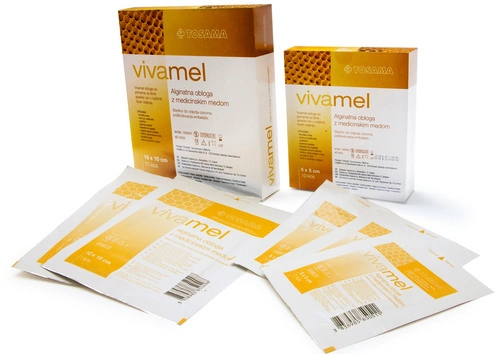
Medical benefits of honey changed modern medicine
The medical benefits of honey have been known in medicine for a very long time – from the Stone Age to be exact. That means honey was used in medicine thousands of years before the discovery of bacteria. Its antibiotic and antiseptic properties were first recognised in modern science in 1892 but were not scientifically acknowledged, until the 20th century.
Unique properties provide a complex mechanism of different effects in the tissue healing process. The liquid is made out of Castanea sativa or Sweet chestnut blooming at higher altitudes at the end of June. The medicinal value of honey comes from a peculiar tree requiring adequate moisture in the air and warm weather without wind. It is a very important and reliable pasture for bees collecting nectar and manna from the blossoms. One bee colony can collect up to 28 kg of nectar from just one tree. They collect nectar from female flowers and pollen from male chestnut flowers.
The pollen is what the tree gives before nectar, and it is of the highest quality. Then nectar begins to flow, and the process can last from three to four weeks. Medical honey for wounds successfully establishes a moist environment in the injury, causing an osmotic activity, activating autolytic debridement, and ensuring optimal healing conditions.

The medicinal value of honey protects the skin and reduces pain
Medical honey for wounds is a complex mixture of sugars, vitamins, minerals, acids, enzymes, flavonoids and amino acids. That is why the ancient remedy is known for having exceptional tissue-healing properties. Clinically proven plasters have antimicrobial properties. They support wound cleansing and debridement, prevent and destabilise biofilm, decrease odour and promote epithelialisation. Honey dressing for wound healing is a saturated sugar blend containing a high amount of enzyme glucose oxidase.
The sugars cause the osmotic pressure in the injury, stimulating autolytical debridement, and the enzyme activates proteolytical debridement. One of the medical benefits of honey is that it acts as an antibacterial while promoting granulation. It contains kynurenic acid, which destabilises and prevents biofilm formation, and high amounts of zinc, potassium, calcium, manganese and proline. The medicinal value of honey is seen in three healing phases – inflammatory, proliferative and maturation. Up to 80% of sugar content increases tissue perfusion, attracts macrophages and lymphocytes and decreases inflammation and oedema.

Medical benefits of honey, their effects and how to choose them?
Medical honey for wounds establishes an optimal temperature and moist environment for tissue remodelling. It also relieves inflammation, removes bacteria and microbes, manages the bacterial load and promotes the formation of new tissue. The medicinal value of honey is its incredible ability to adapt to the needs of the injury, meaning it can achieve various healing goals. The coverings differ in the absorbency of the carrier material, function and the amount of product.
When the dressings are applied to the skin, they do not affect blood sugar levels. They are safe, easy to utilise, and can be used at all ages (including when infants). As they protect the skin, they may reach over the edges of the injury. When using wound dressings, possible aspects of pain should be addressed – pain caused by inflammation and the one caused by osmotic pressure. If the inflammation is the reason for the pain, the pain will be present regardless of the type of dressing applied. That is because the main reason is inflammation, affecting increased sensitivity of nerve endings and swelling.
High concentrations of free radicals can also cause pain during the inflammation phase. One of the medical benefits of honey is the pain-relieving plan, including removing the dead tissue, soothing the inflammation and reducing the swelling, which will decrease the intensity of the pain. If the pain (burning sensation) is induced by high osmotic activity, it usually subsides in a couple of hours maximum.
Medical honey for wounds – The healing process
The medicinal value of honey is paramount in modern medicine. Honey dressings promote the wound healing process at a cost-effective price and are essential for the main phases of healing. The first is an inflammatory phase, characterised by removing the damaged tissue and fighting against the bacteria. The high sugar content ensures antimicrobial activity, attracts macrophages and lymphocytes and increases tissue perfusion. In the second proliferative phase, angiogenesis and connective tissue synthesis are promoted.
Medical honey for wounds also promotes granulation and collagen synthesis, while guaranteeing an anti-oxidative effect. Higher amounts of minerals and vitamins ensure epithelialisation and provide mechanical protection. The last phase is the maturation phase, where tissue maturates and remodels. One of the many medical benefits of honey is its cosmetic effect. Its unique properties maintain optimal temperature and moisture and assure less scarring. Wound healing can be a lengthy process requiring comprehensive medical treatment, so sometimes holistic treatment should be considered.